All Categories
Featured

Understanding Advantages of Modern TRT Protocols
Table of Contents
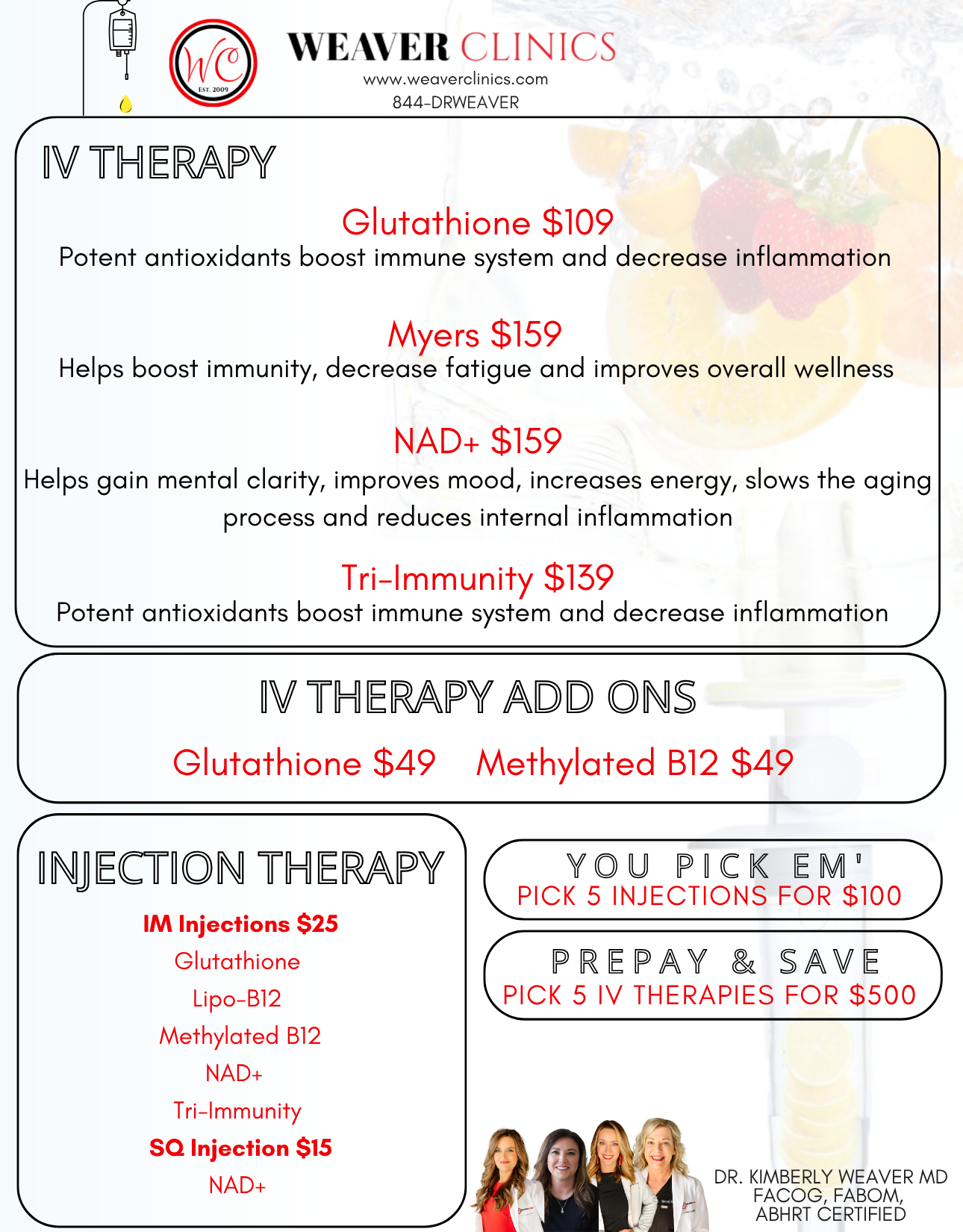
The history and origins of IV therapy IV treatment has a long and progressing history that has actually transformed from dangerous experimentation to a vital part of modern medical practice.

These early failures led to a stop in IV experimentation for almost 2 centuries.
This started to alter in the late 19th and early 20th centuries, with the advancement of hypodermic needles, rubber tubing, and antiseptic methods, all of which helped in reducing the dangers of infection and made it possible for more secure IV access. By the early 20th century, IV treatment had actually ended up being a basic medical practice, particularly in surgery, emergency care, and for the treatment of conditions such as dehydration, infections, and nutrient deficiencies.
What to Expect During Your Initial TRT Consultation
World War I and II substantially accelerated the refinement and adoption of IV techniques, as battleground medicine required fast and efficient fluid and medication shipment to wounded soldiers [12,13] The ability to supply quick, regulated treatment directly into the blood stream reinvented intense care medication. In more recent years, IV therapy has broadened beyond hospitals and into consumer wellness culture, marketed as a fast fix for tiredness, hangovers, and skin health, regardless of restricted scientific evidence supporting these optional usages.
Additionally, some individuals report cosmetic benefits, including enhanced skin hydration and a decrease in tiredness, which has contributed to the understanding of IV vitamin treatment as a revitalizing health intervention.
Regardless of the lack of strong empirical validation, the growing appeal of IV vitamin treatment in consumer wellness culture continues to be driven by these anecdotal recommendations and the appeal of rapid, viewed health advantages. The obstacle of oral nutrient absorption Efficient nutrient absorption through the oral path depends on an intricate interplay of biochemical and physiological factors.
The Key Benefits of Clinical TRT Protocols
Another critical aspect affecting oral nutrient bioavailability is the liver's first-pass metabolic process. After absorption through the digestive wall, numerous nutrients, particularly water-soluble vitamins like vitamin C and the B-complex group, go through substantial metabolism in the liver before going into systemic circulation.
Hormone Replacement Therapy QualificationIn addition, the absorption of fat-soluble vitamins (A, D, E, K) depends greatly on appropriate bile acid production and efficient fat digestion. The gut microbiota likewise applies substantial influence on nutrient absorption. A well balanced gut microbial environment facilitates the breakdown and conversion of nutrients into bioavailable kinds.
The presence of nutrient interactions and competitive absorption pathways can further lessen nutrient uptake. Specific vitamins and minerals share typical absorption mechanisms, leading to competitive inhibition.
Sustained Results of Physiological Body Balancing
Thinking about these diverse difficulties, it is not uncommon for people to struggle to accomplish optimum nutrient status through oral supplements alone, regardless of consuming high-quality vitamins and minerals.
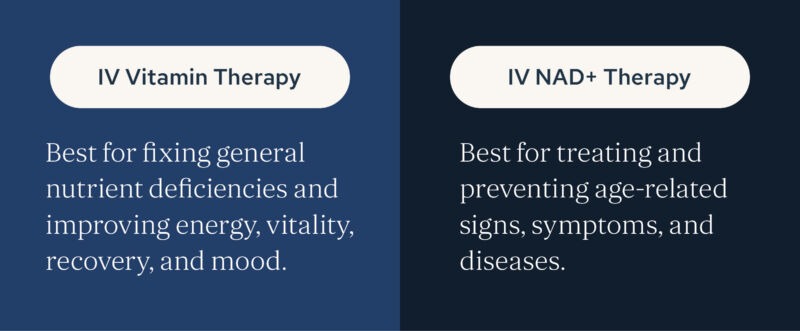
Advantages of IV vitamin treatment A primary benefit of IV vitamin treatment is its superior bioavailability and absorption effectiveness. Bioavailability refers to the portion of nutrients effectively taken in and utilized by the body.

Latest Posts
Essential Benefits From Specialized TRT Clinic Services
Managing Frequent Hormonal Issues in Adults
Key Intimacy Health and Wellness Treatments